 Heracles Hub
The 1980s were a transformative decade for Heracles Almelo, a period that saw the club rise from the shadows of mediocrity to become a formidable presence in Dutch football. Emerging from a challenging era in the 1970s, the club began to harness local talent and invest in a more cohesive team strategy, leading to a renaissance of sorts for the Heraclieden.
One of the key figures in this revival was coach Jan de Jonge, who took the reins in the early part of the decade. De Jonge emphasized a blend of discipline and flair, fostering an environment where young players could thrive. This focus on youth development allowed Heracles to tap into the local talent pool, giving rise to a generation of players who would not only represent the club but the Dutch national team as well.
Among the notable talents was Ruud van Nistelrooy, who began to make his mark in the youth ranks during this time. While he wouldn’t reach his prime until later, his early days at Heracles were characterized by flashes of brilliance that hinted at the prolific striker he would become. The club's commitment to nurturing local stars would later prove invaluable as these players contributed significantly to the squad’s success.
The 1980s also saw Heracles achieve significant milestones in domestic competitions. The club made a notable return to the Eredivisie, where they began to establish themselves as a mid-table team with aspirations for European football. The local derbies against FC Twente became a highlight of the season, igniting fierce rivalries and drawing passionate crowds to the Stadium.
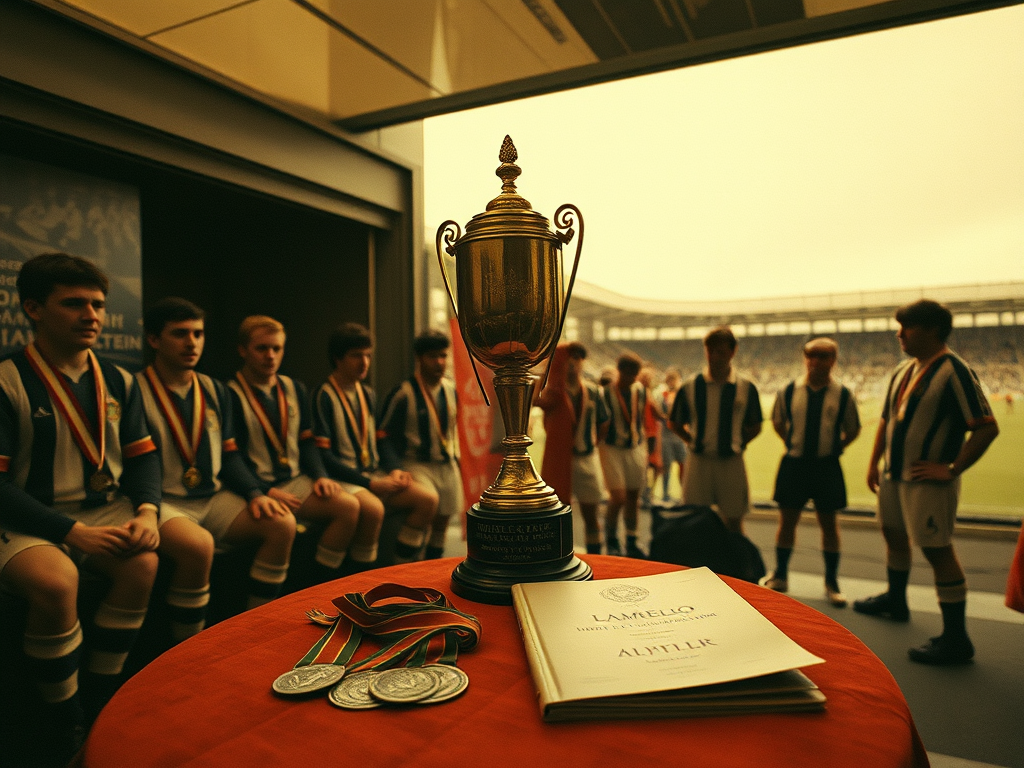
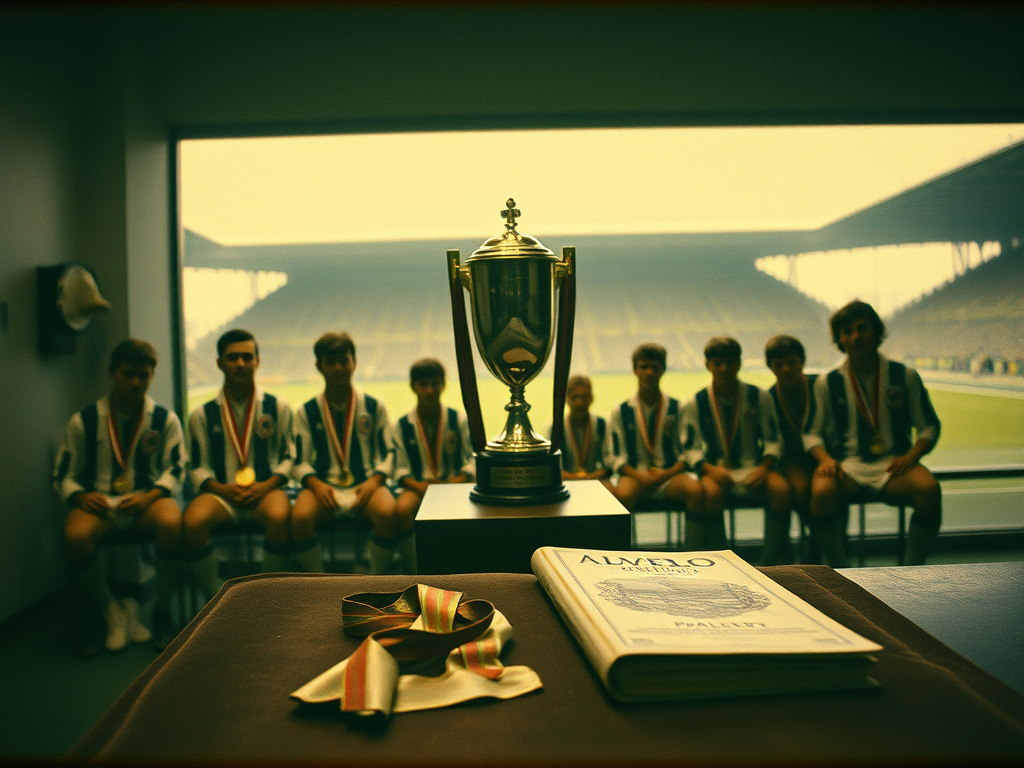
In 1985, Heracles made an impressive run in the KNVB Cup, reaching the latter stages and showcasing their resilience and determination. This cup run not only raised the profile of the club but also instilled a newfound belief among fans and players alike. The atmosphere in the stadium was electric, with supporters rallying behind their team, chanting and creating a vibrant tapestry of color and sound that echoed throughout Almelo.
Despite the ups and downs, the spirit of the Heraclieden during this decade was characterized by an unwavering determination to rise above challenges. The team's ability to attract talented players from the region and cultivate homegrown talent became a hallmark of Heracles' identity.
As the 1980s came to an end, Heracles Almelo found itself in a much stronger position than at the start of the decade. The foundations laid during this golden era would serve the club well in the years to come, helping to shape the aspirations of future generations. The commitment to developing local talent and fostering a strong connection with the community has remained a core principle of Heracles, and it all began in those formative years of the 1980s.
Today, as we reflect on the club’s rich history, it’s essential to acknowledge the pivotal role the 1980s played in establishing the Heraclieden as a respected force in Dutch football. The legacy of that era continues to inspire current players and fans, reminding us of the spirit, passion, and dedication that defines Heracles Almelo.