 Heracles Hub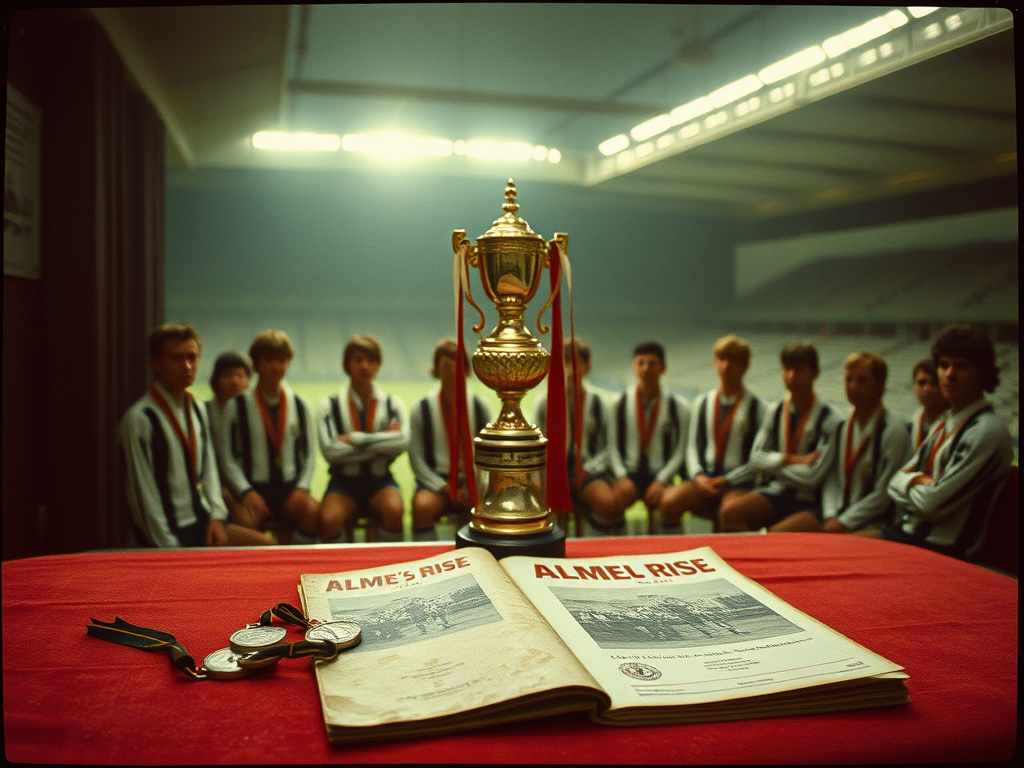
The Legendary 1970s: Heracles Almelo's Rise in Dutch Football
The 1970s were an important chapter in the history of Heracles Almelo, representing a decade of growth, ambition, and resilience that would shape the club's identity for years to come. Emerging from the trials of the previous decades, Heracles began to establish itself not only as a competitive force in the Eredivisie but also as a club with a rich legacy that fans could rally behind.
In the early 1970s, Heracles faced its fair share of challenges, including relegation battles and financial struggles that were common among clubs of its stature. However, under the guidance of key figures both on and off the pitch, the club began to turn a corner. The arrival of talented players and a shift in management philosophy ignited a spark that propelled Heracles into a new era.
One of the standout moments of this decade came in 1977 when Heracles clinched a spot in the Eredivisie. The significance of this achievement cannot be overstated; it not only marked the club's return to the top tier but also signaled to the fans that their unwavering support was paying off. The team showcased a mix of youthful exuberance and experienced heads, creating a dynamic that was both entertaining and effective. This blend was crucial as they faced some of the most formidable opponents in Dutch football, including their fierce rivals, FC Twente.
The 1978-79 season was particularly memorable for Heracles, as they not only survived in the Eredivisie but also made a name for themselves with notable performances. The club's ability to attract local talent and nurture homegrown players became a cornerstone of its philosophy, allowing them to build a squad that was not just competitive but also representative of the Almelo community.
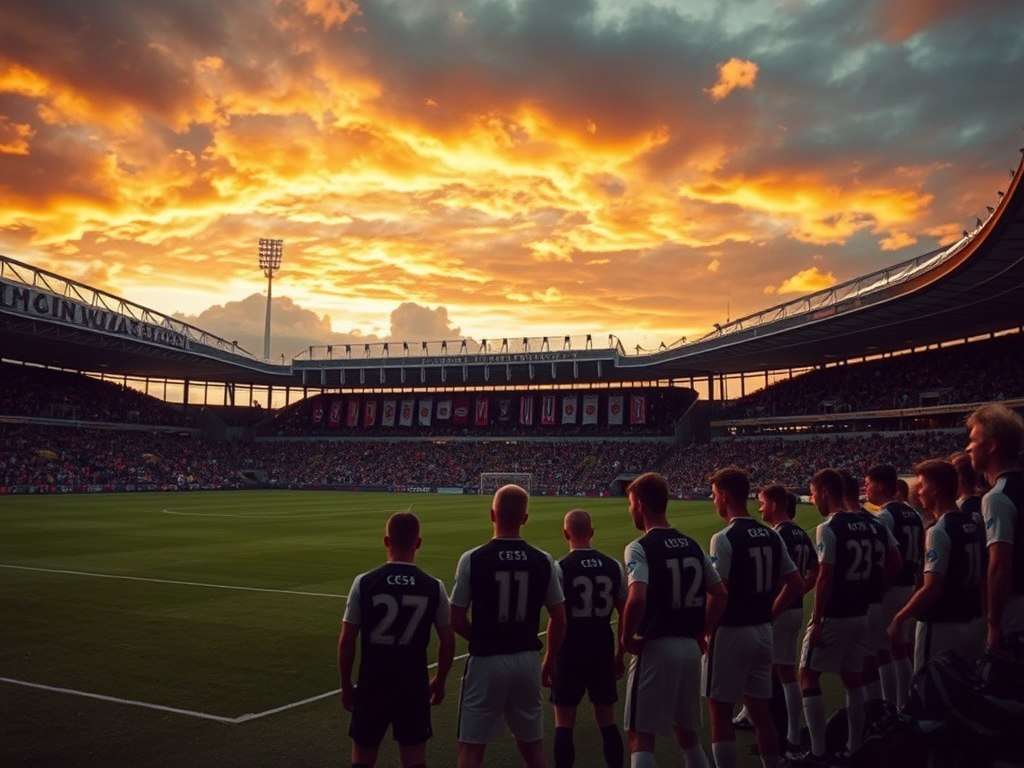
The stadium in Almelo, a fortress for the Heraclieden, saw an increase in attendance as the club's fortunes improved, with fans rallying behind their team in ever-growing numbers. It was during this time that the passionate fan culture began to solidify, laying the groundwork for the vibrant atmosphere that is now synonymous with match days at the stadium. The chants, the colors, and the palpable excitement created a unique environment that further fueled the players' performance on the pitch.
As the decade drew to a close, Heracles had cemented its place as a club to watch within Dutch football. The lessons learned during the 1970s provided a foundation for the challenges and successes that lay ahead. From the trials faced in the earlier years to the triumphs of the later part of the decade, Heracles Almelo emerged as a symbol of perseverance and progress.
In retrospect, the 1970s were not just a period of survival; they were a declaration of intent. The Heraclieden, with their unyielding spirit and determination, set the stage for future generations, ensuring that the club would continue to grow and evolve in the years to come. By reflecting on this significant decade, we gain a deeper appreciation for the journey that Heracles Almelo has undertaken and the passionate community that supports it.